31 Jul 2025
Telling your best story: how emerging managers can meet the moment on operational due diligence
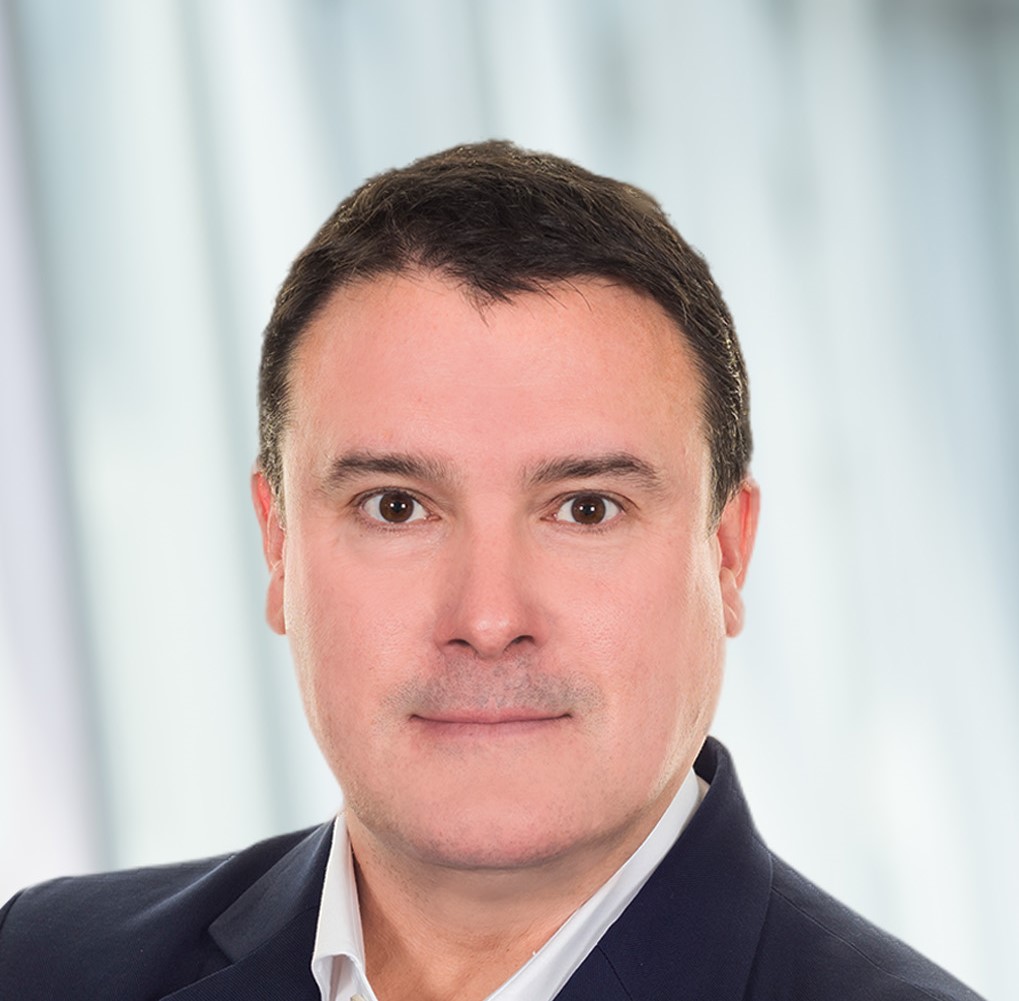
Chris Elliott
Head of European prime services marketing
Earlier this month, I had the pleasure of moderating a breakfast roundtable hosted by Marex’s prime services team: Telling your best story – meeting evolving expectations around operational due diligence (ODD).
The goal was to have an honest, practical conversation about how ODD is changing and what that means for emerging managers trying to build credibility in the current environment.
I was joined by two experts: Matthew Stiling, Senior Operational Due Diligence Analyst at Investcorp-Tages, and Christian Pollard, Regional CEO at Opus Fund Services.
Between them, they’ve seen hundreds of ODD processes from both sides, as the people asking the tough questions, and the partners helping managers answer them well.
Clearly institutional investors are not just investing in performance. They’re buying robustness, and ODD is the lens through which that robustness is assessed.
ODD begins before you think it does
ODD rarely begins with a formal meeting. It starts the moment a manager engages with an allocator, often through the COO or operational leadership, and is quickly followed by a request for information. This is no small ask. Document packs can include everything from org charts and trade flow diagrams to governance documents and bios.
It was also noted that Operational Risk Management (ORM) is now a key part of many investor and ODD consultant questionnaires. Just as managers have a portfolio risk management policy or matrix, that same concept is now expected on the operational side – supported by evidence that they’re actively applied.
And here’s the key: transparency matters more than perfection. The absence of a single detail – say, a missing biography – can raise flags.
Verification is the real heart of the process
Managers often underestimate the extent to which allocators triangulate their information. Service providers – fund administrators, prime brokers, legal counsel among others – are brought into the process to verify claims. NAV calculations, share class splits, internal capital figures… all of it is checked, and discrepancies are questioned.
It was noted that fund admins themselves are integral to the ODD workflow. Allocators want to know that administrators are active, tech-enabled partners with real systems and controls.
Questions around the manager’s data strategy and architecture are also becoming more common – particularly how that strategy will scale to meet the growing demands of investor, regulatory and tax reporting. For emerging managers, this often means heavily leveraging their fund administrator.
Documentation is expected, but so is engagement; “Don’t just show us the process, show us it works.”
“Transparency matters more than perfection. The absence of a single detail – say, a missing biography – can raise flags.”
Meetings are long, and the bar is high
ODD meetings can last from two to eight hours depending on the complexity of the strategy, and they can be intense. These sessions test operational fluency. Does the COO understand the mechanics of performance fees? Can they clearly explain cash control protocols? Are there clear lines of oversight for outsourced functions?
You can outsource tasks, but not accountability
A recurring theme was the growing acceptance of outsourcing in key areas such as IT and cybersecurity. Cost pressures make this model attractive, and in many cases, necessary. But the message was clear: outsourcing does not absolve responsibility. Managers must monitor service providers through KPIs and SLAs, and demonstrate that these relationships are actively governed.
Where lines are drawn is also becoming clearer – particularly when it comes to the role of the COO. For institutional allocators, the COO is a critical control function. They expect someone with the experience, context and bandwidth to oversee operational risk in real-time – and the larger and more institutional the investor, the more scrutiny there is around continuity and ownership of the role.
Lean is fine, if you know what you’re building toward
Emerging managers don’t need to look like billion-dollar shops from day one, but they do need a plan. Investors want to understand the operational roadmap: when key hires will be made, what the triggers are for scaling infrastructure and how growth will be supported sustainably.
Allocators can accept gaps, but only if those gaps are acknowledged, explained and linked to a credible growth plan. Seed capital can help accelerate this, but as was pointed out, “not all seed deals are created equal.” The most constructive ones provide room to build.
“ODD is not just something to be ‘passed’. It’s a signal of institutional readiness.”
Governance matters
Fund structure and governance frameworks were another area of focus. Independent directors are non-negotiable – a fund needs at least two, ideally with diverse professional backgrounds. Directors from the same firm can raise concerns about independence, as can fund setups that allow GPs unilateral power to alter structures without oversight.
Your offering documents are a window into how you operate
Allocators are reading offering documents with increasing scrutiny – particularly the expense section. Language that was once boilerplate is now examined line by line: are the expenses reasonable and necessary… or not? Vague references to ‘other expenses’, broad catch-all categories or legacy clauses can all be red flags.
The expectation is that managers take a disciplined, intentional approach. Strip your documents down to what’s necessary, and if you need flexibility to future proof, make sure the language is specific and in there for a reason. Less is more and a tightly written document signals clear thinking and operational maturity; two things allocators are actively looking for.
Operational excellence is part of your pitch
The roundtable ended where it began, with a reminder that ODD is not just something to be ‘passed’. It’s a signal of institutional readiness. Operational controls, tech infrastructure, governance and transparency are all part of your investment story.
Whether you’re preparing for a first allocation or scaling toward your next milestone, the ability to ‘tell your best story’ hinges on showing investors that your firm is built for longevity, for scrutiny and trust.
That’s the story allocators want to hear. And increasingly, it’s the one that gets capital moving.
To find out more about Marex’s prime services, click here.